Cutting through the noise on GLP-1 treatment — what's actually true, and what's myth.
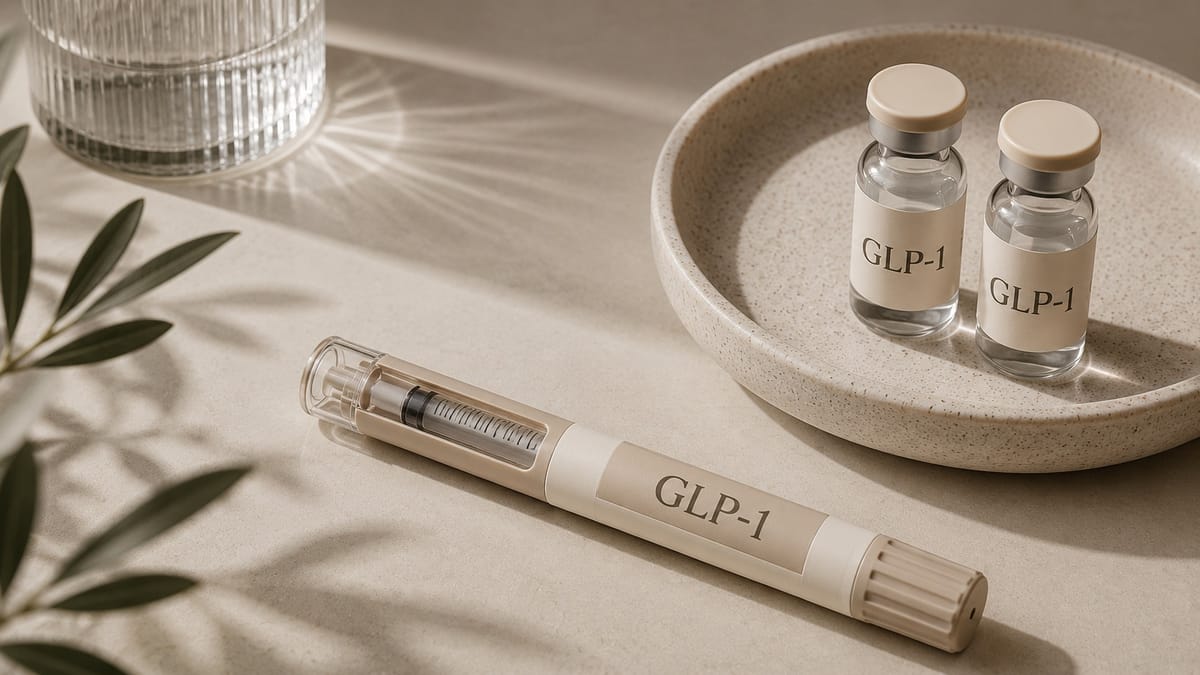
Spend ten minutes on social media and you'll see GLP-1 medications described as a miracle, a scam, dangerous, life-changing, or "cheating" — sometimes all in the same scroll. At Faraheal, we'd rather you make this decision based on what's actually true, not on whichever post showed up in your feed today. Here's a clear look at the most common claims, and what's actually behind them.
Myth: GLP-1s Are an "Easy Way Out"
The truth: Hunger isn't purely a matter of willpower — it's driven by hormonal signals, and GLP-1 medications work directly on those signals. Obesity itself is a complex condition with effects that reach well beyond appearance, including higher risk for other health conditions. Choosing a treatment that addresses the biology behind hunger isn't taking a shortcut — it's treating a medical issue medically, the same way you would with any other condition.
Myth: You Have to Take It Forever
The truth: Despite a common belief that these medications require lifelong use to see any benefit, that's not accurate — how long someone stays on treatment is an individual decision made with a provider, not a fixed requirement of the medication itself.
Myth: It Works Without Any Other Changes
The truth: GLP-1 medications are not a "magic pill" — they work by reducing hunger, increasing fullness, and slowing digestion, but they tend to work best alongside reasonable nutrition and lifestyle habits, not as a total replacement for them. Think of it as removing a major obstacle (constant hunger), not as removing the need for any effort at all.
Myth: It's Only for People With Diabetes
The truth: While some GLP-1 medications were originally developed for type 2 diabetes, they are also used specifically for weight management in people without diabetes who meet certain medical criteria — based on overall health, not just one diagnosis.
Myth: GLP-1s Damage Your Stomach
The truth: This myth likely comes from the fact that GLP-1s slow down digestion, which can cause temporary side effects like nausea or constipation — but that's a side effect, not stomach damage, and these effects typically fade within the first few weeks as your body adjusts.
What's Actually True, No Myth-Busting Required
A few things aren't up for debate:
- GLP-1 medications work on a real, well-studied hormonal pathway — not a trend or a hack.
- Individual response varies. Some people see significant changes; others see more modest ones. Neither outcome means something went wrong.
- Whether GLP-1 treatment is appropriate for you depends on your specific health history — not on what worked for someone on the internet.
- If you're prescribed a compounded version rather than a brand-name one, a provider should always explain clearly what that means and why.
The Bottom Line
The loudest claims about GLP-1 treatment online tend to be the least accurate ones — partly because nuance doesn't get clicks. The real story is less dramatic than either side of the internet argument: a well-studied medication, a real set of tradeoffs, and a decision that depends on your own health, not a stranger's results.
If you want a straight answer about your own situation, see how a Faraheal consultation works — a few honest questions, reviewed by a licensed provider, before anything is decided.
This article is for general educational purposes only and is not medical advice. For concerns about your specific health situation, consult a licensed healthcare provider.